



Why do humans drink animal milk?
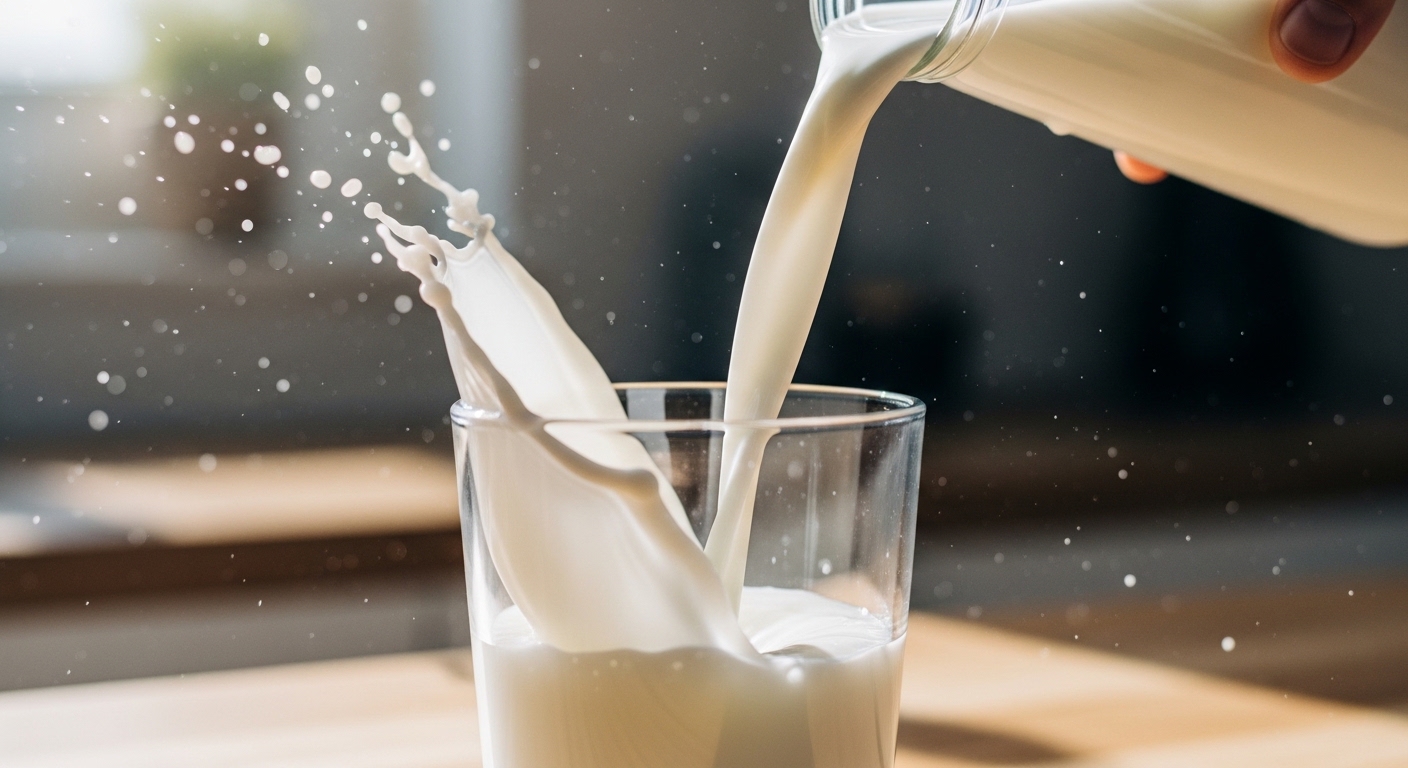
Of all the dietary habits that define modern humanity, drinking the milk of other animals is perhaps one of the most peculiar — and yet, for billions of people around the world, it’s a daily ritual. How did this practice begin, why has it persisted, and what does science tell us about the relationship between humans and animal milk?
Archaeological and genetic evidence suggests that humans have been consuming dairy products for at least 10,000 years, beginning with the advent of cattle domestication in the Near East and Europe. Initially, most adult humans were lactose intolerant — unable to digest lactase, the enzyme needed to process milk sugar — but a genetic mutation that allowed lactase persistence into adulthood spread rapidly through populations that relied on cattle for food. Today, lactase persistence is most common in Northern European populations, where dairy farming became a cornerstone of agricultural life.
In populations without this genetic adaptation, dairy consumption can cause bloating, gas, and digestive discomfort — yet fermented dairy products like cheese and yogurt, which have lower lactose content, are consumed globally. These foods also provide significant nutritional benefits, including calcium, protein, vitamin D, and B vitamins.
The cultural and nutritional role of dairy continues to be debated. Plant-based milk alternatives — from oat to almond to soy — are growing rapidly in popularity, driven by environmental concerns, animal welfare considerations, and lactose intolerance. Yet for many cultures, animal milk remains a deeply embedded part of cuisine, tradition, and identity. The story of how humans came to drink animal milk is ultimately a story about adaptation, survival, and the enduring bond between humans and domesticated animals.