


How the Pandemic Made Us All Reassess What We Eat
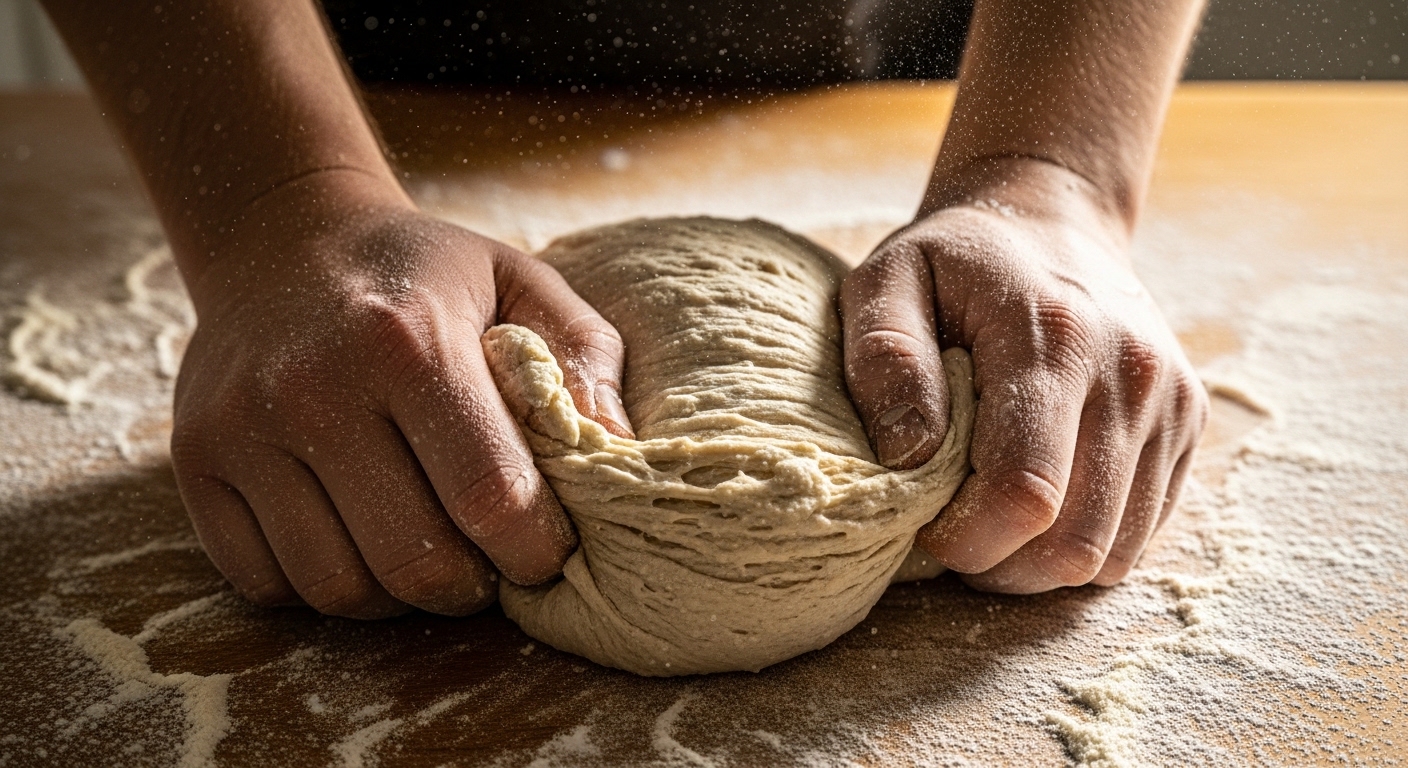
Lockdown did strange and contradictory things to people’s relationship with food. Sourdough bread, banana bread, and homemade pasta became the unlikely symbols of the first COVID-19 spring, as millions of people who had not previously cooked discovered both the necessity and the pleasure of making food from scratch. Home cooking surged to levels not seen since the 1980s. Supermarket flour and yeast sold out across the UK and United States for weeks. The ritual of baking — its measured pace, its sensory satisfactions, its connection to something basic and human — offered comfort at a moment when comfort was in short supply.
But the nutritional picture that emerged from surveys of eating habits during lockdown was considerably more complicated than the sourdough narrative suggested. While many people did cook more and eat more home-prepared meals, a substantial proportion also reported increases in comfort eating, snacking, alcohol consumption, and ultra-processed food intake. The International Food Information Council found that 85 per cent of Americans reported changes to their diet during the pandemic, with outcomes split between healthier and less healthy patterns. The determining factor was broadly their relationship with food and eating before the pandemic.
The pandemic also accelerated a shift in public awareness about the relationship between diet, immune function, and chronic disease. Research highlighting links between obesity, type 2 diabetes, and vitamin D deficiency and severe COVID-19 outcomes attracted widespread attention and prompted genuine public engagement with nutritional science. Sales of vitamin D supplements, zinc, and vitamin C surged dramatically. Interest in plant-based diets grew. The concept of eating for immunity — which nutritionists cautioned was not as simple as popular media sometimes suggested — contributed to a broader reassessment of food as medicine rather than mere fuel.
The food industry responded to the pandemic by accelerating trends already in motion. Meal kit delivery services like HelloFresh and Gousto saw extraordinary growth as homebound consumers sought structure and convenience for home cooking. The ghost kitchen model — delivery-only restaurant operations with no front-of-house — expanded rapidly as traditional restaurants struggled and pivoted. Whether the cooking habits formed during lockdown will persist is an open question, but the pandemic demonstrated convincingly that when people have time and a reason to cook, many will discover, perhaps for the first time, that they actually enjoy it.