




Tech Tent: Inside tech’s trade war
The escalating trade tensions between the United States and China are cutting through the heart of the global technology industry, and the effects are being felt everywhere from Silicon Valley boardrooms to electronics factory floors in Shenzhen. What began as a tariff dispute has evolved into a full-scale technological cold war — one that’s reshaping global supply chains and forcing companies to take sides.
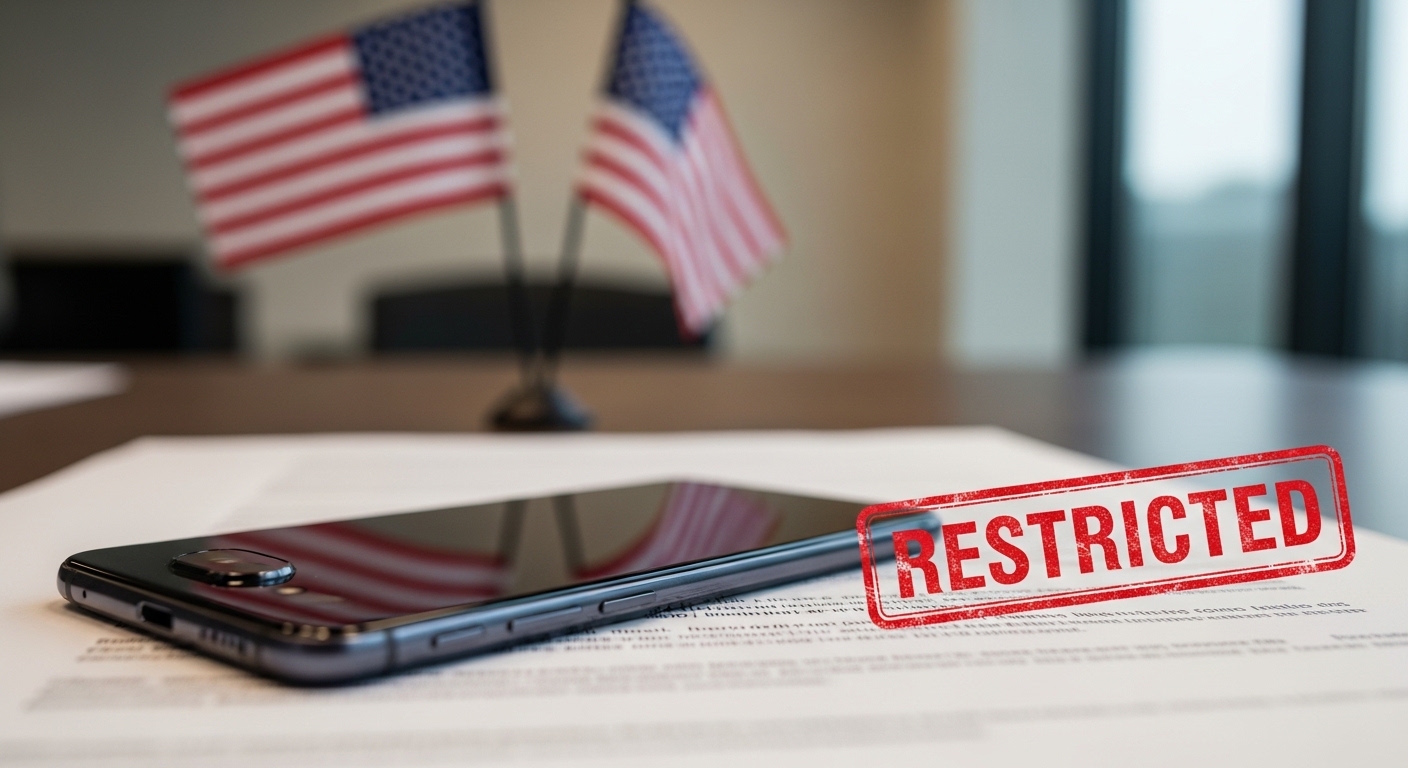
At the center of the conflict is Huawei, the Chinese telecommunications giant that has found itself blacklisted by the US government. American companies are now restricted from supplying Huawei with components, software, or services without special authorization. Google’s removal of Android support for Huawei devices sent shockwaves through the smartphone market and forced the Chinese company to accelerate development of its own operating system, HarmonyOS.
The ripple effects extend beyond Huawei. Chip manufacturers like Qualcomm and Intel, who generate significant revenue from Chinese clients, now face the prospect of losing major customers while also navigating new export license requirements. Meanwhile, Chinese tech firms are investing heavily in domestic semiconductor production to reduce their reliance on American technology.
Economists warn that a prolonged tech trade war could fragment the internet into distinct regional ecosystems — a so-called ‘splinternet’ — where Chinese and Western technologies operate in parallel, incompatible worlds. For consumers, this could mean fewer choices, higher prices, and reduced interoperability between devices. The stakes couldn’t be higher, and the outcome will define the shape of global technology for decades to come.